
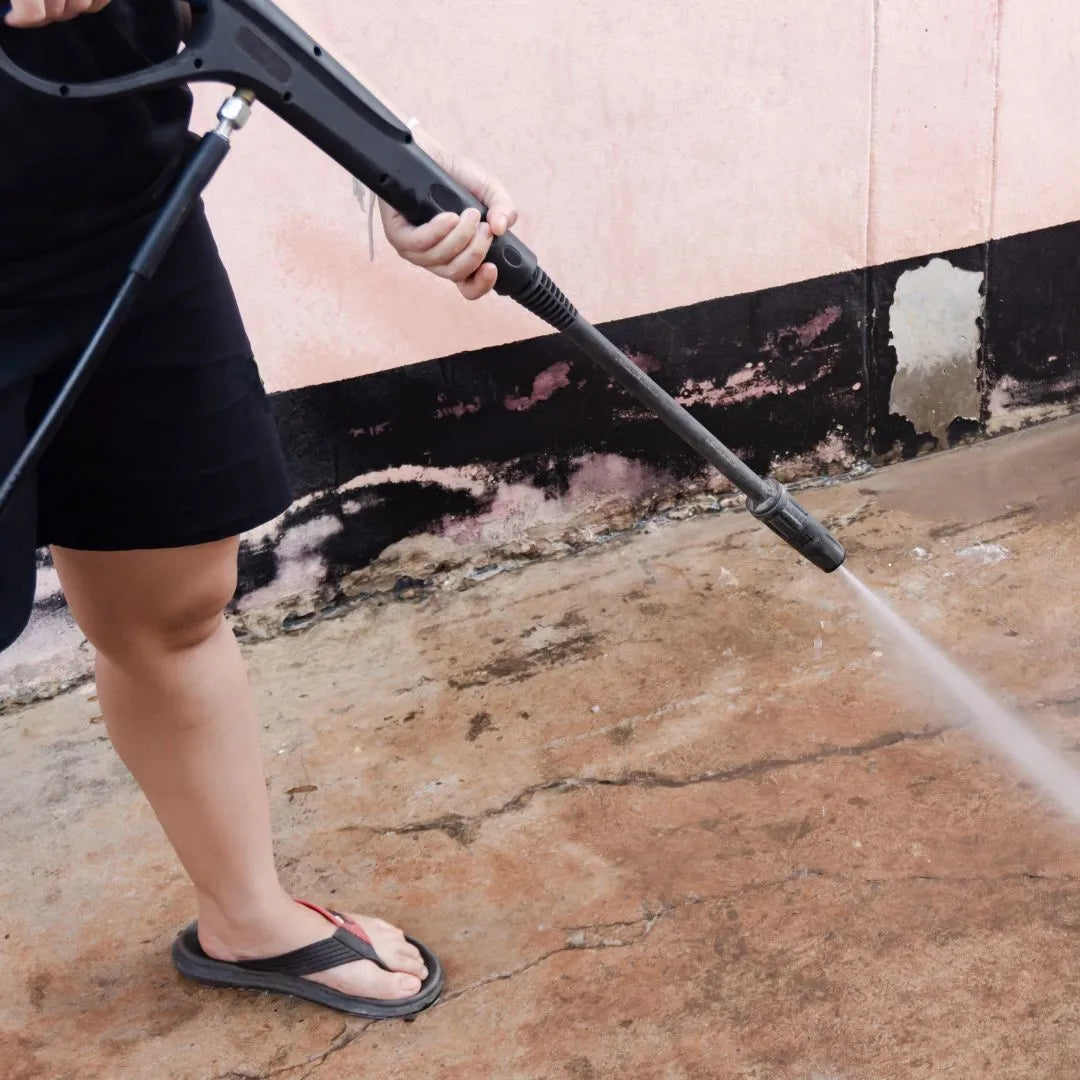
Pressure washers are fantastic tools for cleaning everything from dirty driveways to grimy outdoor furniture. They use high-pressure water jets to blast away dirt, mold, and other debris, making cleaning tasks quicker and more efficient.
However, using a pressure washer can be intimidating if you’re new to it. In this DIY guide, we'll walk you through everything you need to know to use a pressure washer correctly, ensuring you achieve optimal results while keeping safety in mind.
Understanding Pressure Washers
Before diving into the how-to, let’s get familiar with the pressure washer itself.
Types of Pressure Washers
- Pressure washers come in various types, each suited for different tasks:
- Electric Pressure Washers: These are generally lighter, quieter, and easier to use. They are perfect for smaller, lighter tasks like washing cars or cleaning garden tools.
- Gas-Powered Pressure Washers: More powerful and suited for larger cleaning projects, these are ideal for heavy-duty jobs such as cleaning driveways and large patios.
Cold Water vs. Hot Water: Cold water pressure washers are great for basic cleaning, while hot water models are better for removing stubborn grease and grime.
Components of a Pressure Washer
A typical pressure washer includes the following components:
- Pump: Increases the water pressure from the hose.
- Hose: Carries the pressurized water to the spray gun.
- Spray Gun: Allows you to control the flow of water.
- Nozzles: Attachments that adjust the spray pattern and pressure.
Safety should always be your top priority when using a pressure washer.
Importance of Safety
Pressure washers can be powerful and potentially dangerous. High-pressure water can cause injuries if not handled properly. It's crucial to be aware of the risks and take the necessary precautions.
Essential Safety Gear
Always wear the following safety gear when using a pressure washer:
- Safety Goggles: Protect your eyes from flying debris and water.
- Gloves: Shield your hands from high-pressure water and cleaning agents.
- Protective Clothing: Wear long sleeves and pants to guard against water and detergent.
- Non-Slip Footwear: Prevent slipping, especially on wet surfaces.
Selecting the right pressure washer ensures that you’re equipped for the job at hand.
Determining Your Needs. Think about what you’ll be cleaning:
- For Light Cleaning: An electric pressure washer with lower PSI (Pounds per Square Inch) and GPM (Gallons per Minute) will suffice.
- For Heavy-Duty Cleaning: A gas-powered pressure washer with higher PSI and GPM is more appropriate.
- PSI (Pounds per Square Inch): The higher the PSI, the more powerful the water stream. For general cleaning, a PSI of 1300-1900 is usually adequate. For tougher jobs, look for higher PSI.
- GPM (Gallons per Minute): Indicates the flow rate of water. Higher GPM means more water, which can help clean larger areas faster. A GPM of 1.2-2.5 is typical, depending on the task.
Setting Up Your Pressure Washer
Proper setup ensures your pressure washer operates efficiently and safely.
Assembling the Unit
Follow the manufacturer’s instructions to assemble your pressure washer. This usually involves connecting the handle, spray gun, and hose.
Connecting the Water Supply
Attach your garden hose to the pressure washer’s water inlet. Make sure it’s securely connected to avoid leaks. Ensure that the water supply is turned on fully before starting the unit.
Adding Detergent
If your task requires detergent, pour it into the designated tank. Use only detergents designed for pressure washers to avoid damaging the equipment.
Understanding Nozzles and Attachments
Different nozzles and attachments can help you achieve various cleaning effects.
Types of Nozzles
- 0-Degree (Red): Provides a narrow, high-pressure stream for tough stains.
- 15-Degree (Yellow): A narrower spray for heavy-duty cleaning tasks.
- 25-Degree (Green): A versatile nozzle for general cleaning.
- 40-Degree (White): Offers a broad spray for delicate surfaces.
- Soap Nozzle (Black): Used for applying detergent.
Choosing the Right Nozzle for the Job
Select a nozzle based on the surface you’re cleaning and the level of grime. Start with a wider nozzle and switch to a narrower one if more pressure is needed.
Using Additional Attachments
Consider using attachments such as surface cleaners, extension wands, and foam cannons to enhance your cleaning efficiency and reach.
Preparing the Surface
Preparation can make a big difference in your cleaning results.
Pre-Cleaning Steps
Clear the area of loose debris like leaves and dirt. This helps prevent debris from being pushed around and ensures a more effective clean.
Protecting Delicate Areas
Cover any plants, electrical outlets, or delicate areas with plastic sheeting to protect them from high-pressure water and cleaning agents.
Using the Pressure Washer
Here’s how to operate your pressure washer effectively:
Starting the Pressure Washer
Turn on the water supply and start the pressure washer according to the manufacturer’s instructions. For electric models, plug it in and switch it on. For gas models, pull the starter cord.
Proper Pressure Washing Techniques
Hold the spray gun with both hands for better control. Maintain a consistent distance from the surface—usually about 12-18 inches. Move the nozzle in a sweeping motion to avoid streaks and ensure even cleaning.
Maintaining a Safe Distance
Keep a safe distance from the surface to prevent damage. Start with a wider spray and move closer if necessary.
Cleaning Different Surfaces
Different surfaces require different approaches.
Cleaning Driveways and Sidewalks
Use a 25-degree nozzle to clean concrete surfaces. Move in a sweeping motion to cover large areas efficiently.
Washing Siding and Brick
A 40-degree nozzle is ideal for siding and brick. Be cautious around windows and doors to avoid water damage.
Cleaning Decks and Patios
For wooden decks, use a 25-degree nozzle to avoid damaging the wood. For patios, a surface cleaner attachment can make the job faster and more thorough.
Washing Cars and Outdoor Furniture
Use a 40-degree nozzle for cars and outdoor furniture to prevent damage. Apply detergent with the soap nozzle, let it sit for a few minutes, then rinse off.
Using Detergents and Cleaners
Detergents can boost your cleaning power.
Types of Detergents
Choose detergents specifically designed for pressure washers. Options include all-purpose cleaners, degreasers, and specialty cleaners for different surfaces.
Applying Detergent Correctly
Attach the soap nozzle and apply detergent evenly. Allow it to sit for a few minutes to break down dirt and grime before rinsing.
Rinsing Off Detergent
Switch to a high-pressure nozzle and rinse off the detergent thoroughly. Ensure that all soap residues are removed to prevent streaking.
Troubleshooting Common Issues
If you encounter problems, here’s how to address them:
Low Pressure Problems
Check for clogs in the nozzle or hose, ensure the water supply is fully open, and inspect the filter for blockages.
Leaks and Clogs
Inspect hoses and connections for leaks. Clear any clogs in the nozzle or pump to restore proper function.
Engine and Motor Issues
For gas models, check the fuel level and spark plug. For electric models, ensure the power supply is stable and the motor is functioning properly.
Maintaining Your Pressure Washer
Regular maintenance will keep your pressure washer in top shape.
Regular Maintenance Tasks
- Clean the Filter: Remove and clean the filter regularly to ensure optimal performance.
- Check the Oil: For gas models, monitor and change the oil as needed.
- Inspect Hoses and Nozzles: Look for signs of wear and tear and replace as necessary.
- Storing Your Pressure Washer Properly
- Store your pressure washer in a dry, cool place. For gas models, drain the fuel if storing for an extended period to prevent engine issues.
Eco-Friendly Pressure Washing Tips
Make your pressure washing more eco-friendly with these tips:
Reducing Water Usage
Adjust the pressure settings and use a surface cleaner to minimize water usage. This helps conserve water and reduces the environmental impact.
Using Environmentally Safe Detergents
Opt for biodegradable detergents that are less harmful to the environment. They break down naturally and are safer for plants and animals.
Pressure Washer Accessories
Enhance your pressure washing experience with these accessories:
Surface Cleaners
Surface cleaners are excellent for large, flat areas, providing an even clean without streaks.
Extension Wands
Extension wands allow you to reach high or distant areas without the need for a ladder, making your cleaning tasks easier.
Foam Cannons
Foam cannons apply detergent evenly, making it easier to cover large areas and achieve thorough cleaning.
Conclusion
Using a pressure washer correctly can transform your cleaning routine, making it faster and more effective. By understanding your equipment, following safety guidelines, and using the right techniques, you can tackle various cleaning tasks with confidence. Whether you’re cleaning your driveway, siding, or outdoor furniture, a pressure washer is a valuable tool that, when used properly, will deliver outstanding results.